

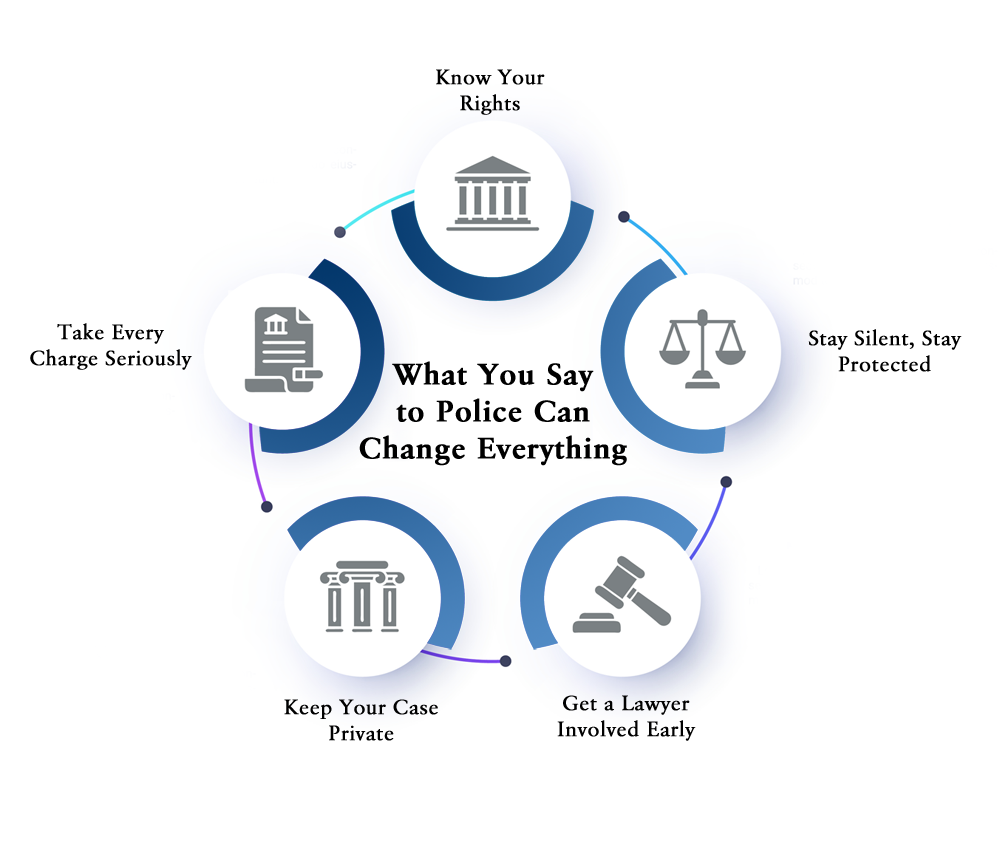
TALK YOUR WAY INTO JAIL — OR DON’T
What every Oklahoman should know before answering police questions.
When you are dealing with law enforcement, what you say and do in the first few minutes can shape the entire future of your case.
Most people do not plan for the day they are stopped, questioned, detained, or arrested. They are scared. They are embarrassed. They want to explain. They want to cooperate. They want the officer to understand that this is all a misunderstanding.
That reaction is human.
But in a criminal case, it can also be dangerous.
The truth is simple: knowing your rights is not just good advice. It can be the difference between a conviction, a reduced charge, a dismissed case, or charges never being filed at all.
The same constitutional rights that attorneys, public officials, celebrities, and powerful people rely on are available to you. You do not have to earn them. You do not have to explain why you want to use them. You simply have to exercise them.
The Core Strategy: Be Polite, Stay Silent, Ask for a Lawyer
If you remember nothing else, remember this:
- Do not argue with law enforcement.
- Do not try to explain your way out of the situation.
- Do not answer questions about what happened.
- Do not give them evidence. (field sobriety, breath test, blood test)
- Do not talk about your case with anyone except your lawyer.
- Clearly say: “I am invoking my right to remain silent. I want an attorney.”
That is not rude. That is not suspicious. That is smart.
Police officers are trained to get people talking. They may act friendly. They may suggest they are only trying to “clear things up.” They may say innocent people have nothing to hide. They may ask casual questions that feel harmless, such as, “How many drinks have you had?” or “Where are you coming from?”
Those questions are not casual once you are the target of an investigation.
They are designed to create evidence.
Many people believe they can talk their way out of trouble. In reality, they often talk themselves into a case.
You Cannot Talk Your Way Out of an Arrest
Let’s be honest. If an officer has already decided to arrest you, you are going to jail that day.
That does not mean you are guilty.
That does not mean the case is over.
That does not mean you have lost.
It means the most important thing you can do is stop making the government’s job easier.
A night in jail is temporary. A criminal conviction can follow you for the rest of your life.
Every word you say can become part of the police report. Every explanation can be misunderstood. Every detail can be twisted. Every attempt to “clear things up” can give the prosecutor something to use later.
Silence protects you.
It may feel uncomfortable in the moment, but it can be one of the strongest decisions you make in the entire case.
Keep Quiet at the Jail Too
The danger does not end once you are arrested.
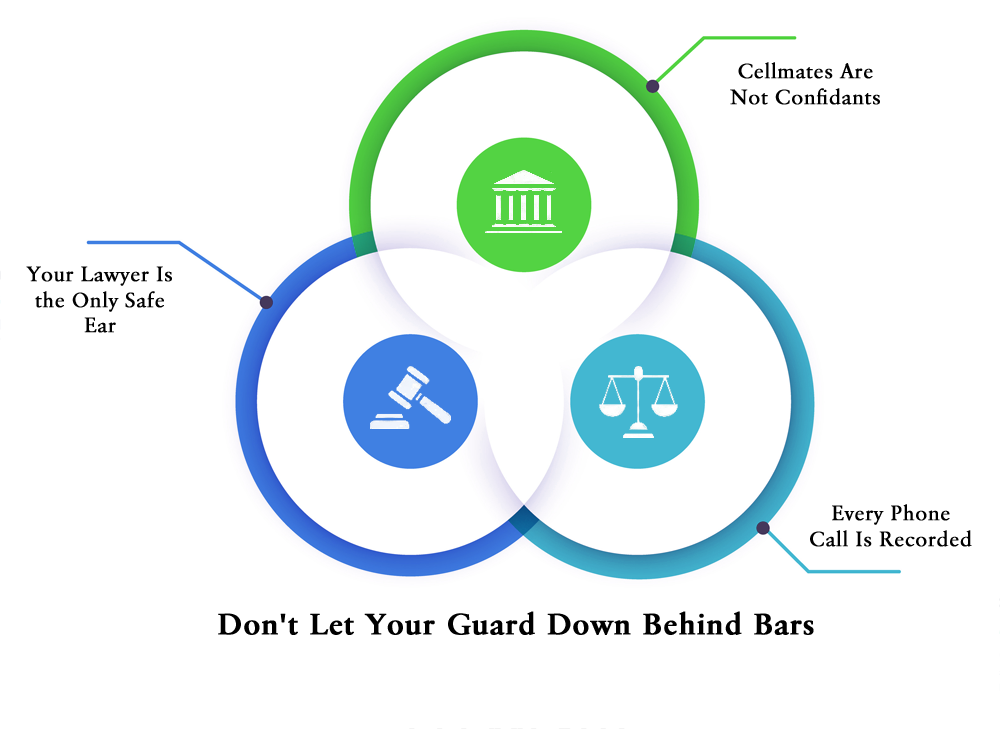
Jails are full of people who are scared, desperate, and looking for a way to help themselves. Some people may repeat what you say. Others may exaggerate it. Some may try to use your words to get a better deal in their own case.
- Do not discuss your charge.
- Do not explain your side.
- Do not vent about what happened.
- Do not trust that a stranger, cellmate, or jailhouse acquaintance is “just listening.”
- Do not talk about what happened on the phone. Every phone call is recorded and the prosecutor has immediate access.
Nothing good comes from discussing your case in jail.
Nothing.
Your lawyer is the person who needs the facts. Everyone else creates risk.
Do Not Discuss Your Case with Friends, Family, or Your Bondsman
When you are charged with a crime, it is natural to want comfort. You may want to call a parent, spouse, friend, coworker, or loved one and explain everything. You may want reassurance that things will be okay.
But good intentions do not create legal protection.
People can misunderstand what you said. They can be subpoenaed. They can repeat something incorrectly. They can become witnesses without ever meaning to hurt you.
Even your bondsman, while often helpful in the bonding process, is not your attorney. Conversations with a bondsman are not the same as confidential legal advice.
The safest rule is this:
Talk about the facts of your case with your attorney only.
You can tell loved ones that you are safe. You can tell them you have hired a lawyer. You can ask for support. But do not walk them through what happened, what you said, what police claim, or what you think the evidence shows.
The less unnecessary conversation there is, the fewer opportunities there are for your words to be used against you.
Keep Your Case Off Social Media
Social media can destroy a criminal defense.
Prosecutors and law enforcement know where to look. Facebook, Instagram, TikTok, Reddit, Snapchat, text messages, comments, photos, videos, check-ins, and private messages can all become part of a case.
A post that seems harmless to you may look very different in court.
- A joke can be made to sound like an admission.
- A photo can be used to suggest intent.
- A location tag can create a timeline.
- A comment can be taken completely out of context.
- A deleted post may still be recovered or screenshotted.
While your case is pending, silence online is protection.
- Do not post about the arrest.
- Do not defend yourself in comments.
- Do not attack witnesses.
- Do not message people about what happened.
- Do not assume “private” means protected.
The less evidence the prosecution has, the stronger your defense may be.
Take the Charge Seriously from Day One
One of the biggest mistakes people make is assuming their case is “not a big deal.”
They hear stories from friends:
- “My cousin had the same charge and it got dismissed.”
- “My friend only paid a fine.”
- “They will probably drop it.”
- “It is your first offense, so nothing will happen.”
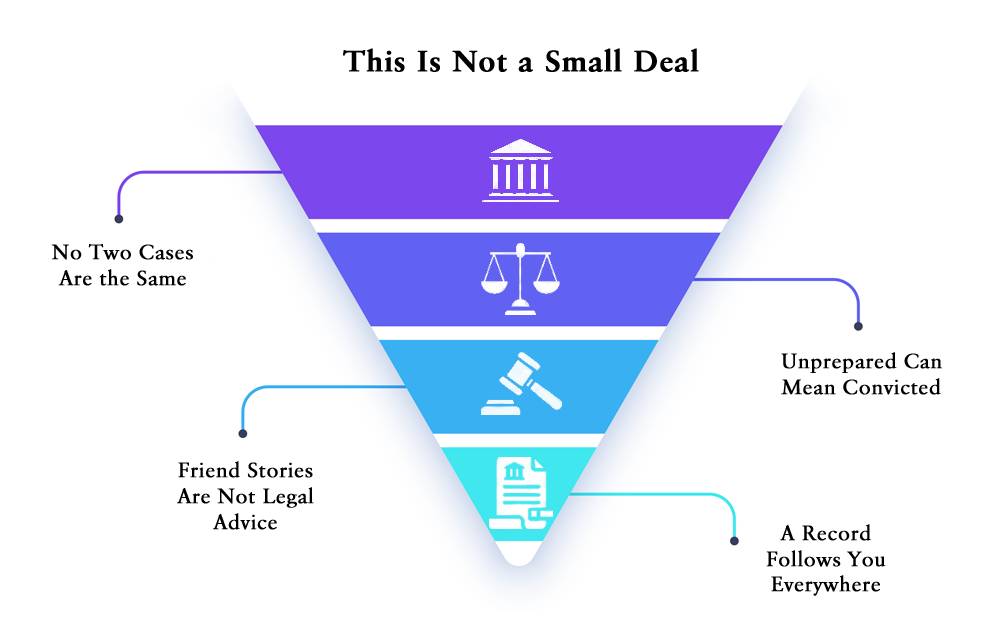
Those stories may be comforting, but they are not legal advice.
Every criminal case is different. The facts matter. The officer matters. The prosecutor matters. The judge matters. Your history matters. The evidence matters. The way the case is handled from the beginning matters.
Walking into court unprepared can turn a manageable situation into a permanent conviction.
A criminal record can affect employment, housing, professional licenses, education, immigration status, child custody, firearm rights, insurance rates, and your reputation.
Do not gamble with your future because someone else’s case turned out okay.
Never Miss Court
Missing court can make a bad situation much worse.
A missed court date can lead to:
- A warrant for your arrest
- Bond forfeiture
- Additional charges
- Higher bond conditions
- Loss of trust with the court
- Fewer options for your attorney to help you
In some hearings, your attorney may be able to appear for you. In others, you must be physically present. Never assume you can miss court unless your lawyer has specifically told you that your appearance is not required.
Showing up matters.
Do Not Represent Yourself Against the State
Trying to handle a criminal case without an attorney can be one of the most expensive decisions a person ever makes.
- The prosecutor knows the law.
- The prosecutor knows the courtroom.
- The prosecutor knows the rules of evidence.
- The prosecutor’s job is to pursue a conviction.
Most people representing themselves do not know what defenses may apply. They do not know how to challenge a stop, a search, a confession, a chemical test, a police report, or witness testimony. They may not know when evidence should be suppressed or when the state cannot prove an essential element of the charge.
For example, someone charged with DUI may believe the defense is simply, “I was not drunk.” But the courtroom is not that simple. The prosecution may present body camera footage, officer testimony, field sobriety test claims, breath or blood results, and other evidence.
Without a lawyer, that person may miss important legal challenges. What might have been reduced, weakened, or dismissed can become a conviction.
The cost of a conviction can include fines, probation, jail time, a suspended license, increased insurance rates, employment consequences, and a permanent criminal record.
In many cases, the long-term cost of not hiring an attorney is far greater than the cost of hiring one early.
Early Legal Intervention Can Change the Direction of a Case
The best defense often begins before charges are formally filed.
When an attorney gets involved early, they may be able to:
- Protect you from making damaging statements
- Communicate with law enforcement
- Preserve evidence
- Identify weaknesses in the case
- Begin building a defense immediately
This is not just what ordinary people should do. It is what high-profile people, public figures, executives, and celebrities often do when they are under investigation.
- They stay quiet.
- They get counsel involved.
- They let their lawyer speak for them.
That strategy works because it limits damage.
Early intervention may help prevent charges from being filed, improve the chances of dismissal, reduce exposure, and save money in the long run by avoiding mistakes that are difficult or impossible to undo later.
Protect Yourself Before the Case Protects the State
The criminal justice system is intimidating because the government has power, resources, investigators, officers, prosecutors, and time.
But you have rights.
- You have the right to remain silent.
- You have the right to an attorney.
- You have the right to make the state prove its case.
- You have the right not to help them build that case against you.
Use those rights.
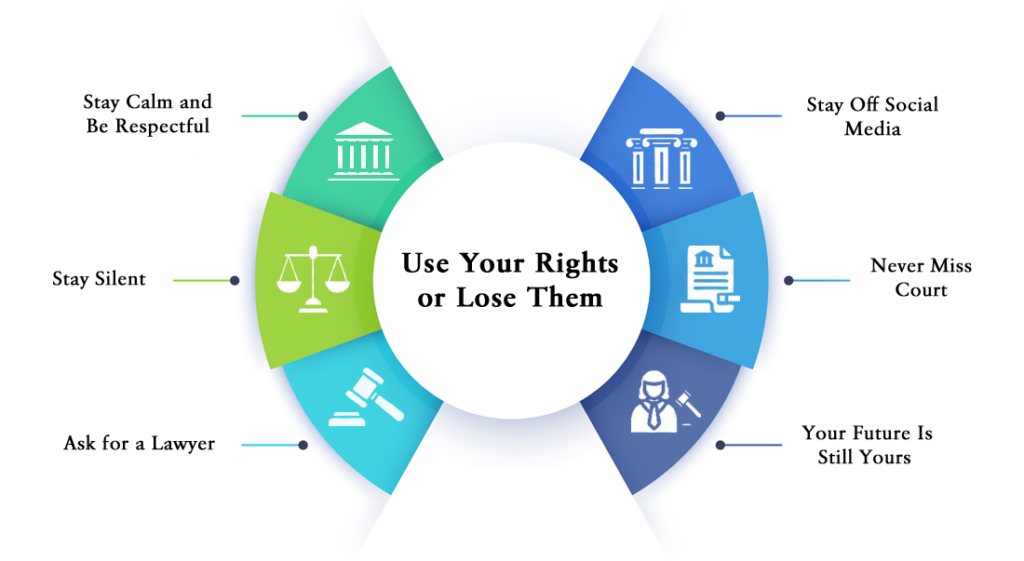
Be respectful. Stay calm. Keep your mouth shut. Ask for a lawyer. Keep your case off social media. Do not discuss the facts with anyone except your attorney. Take every court date seriously.
A criminal charge does not have to define your future.
But the decisions you make at the beginning can determine how much of your future is at risk.
If you have been questioned, arrested, charged, or believe you may be under investigation in Oklahoma, speak with an experienced criminal defense attorney as early as possible. The sooner a lawyer is involved, the more options you may have.
A Simple Process to Getting Started

Schedule a Free Case Evaluation
Schedule your free and confidential consultation with The Edge Law Firm in person, online, or over the phone. Click here to schedule your case evaluation.

Meet Our Defense Team
During your free case evaluation, you’ll have the opportunity to ask legal questions, receive professional advice, share your side of the story, and begin gathering evidence. This consultation can help you explore options and defense strategies you may not have considered and give you the peace of mind to rest easier tonight.

Start Defending Your Case
After your free case evaluation, The Edge Law Firm will provide a personalized quote for representation and begin protecting your rights immediately, with the goal of achieving a dismissal, reduction, or acquittal.